
Cancer can feel like bad luck, and some of it is. Genes and aging play a big part. Still, you have some say. Body weight, exercise, alcohol, sun and food all move cancer risk up or down. The evidence is stronger for some of those than others, and it helps to know which is which.
Jump to a section
The American Cancer Society’s four rules
The American Cancer Society updated its diet and physical activity guideline in 2020. It comes down to four recommendations for individuals:
- Keep your weight in the healthy range and avoid gaining weight as an adult.
- Get 150 to 300 minutes of moderate activity or 75 to 150 minutes of vigorous activity a week.
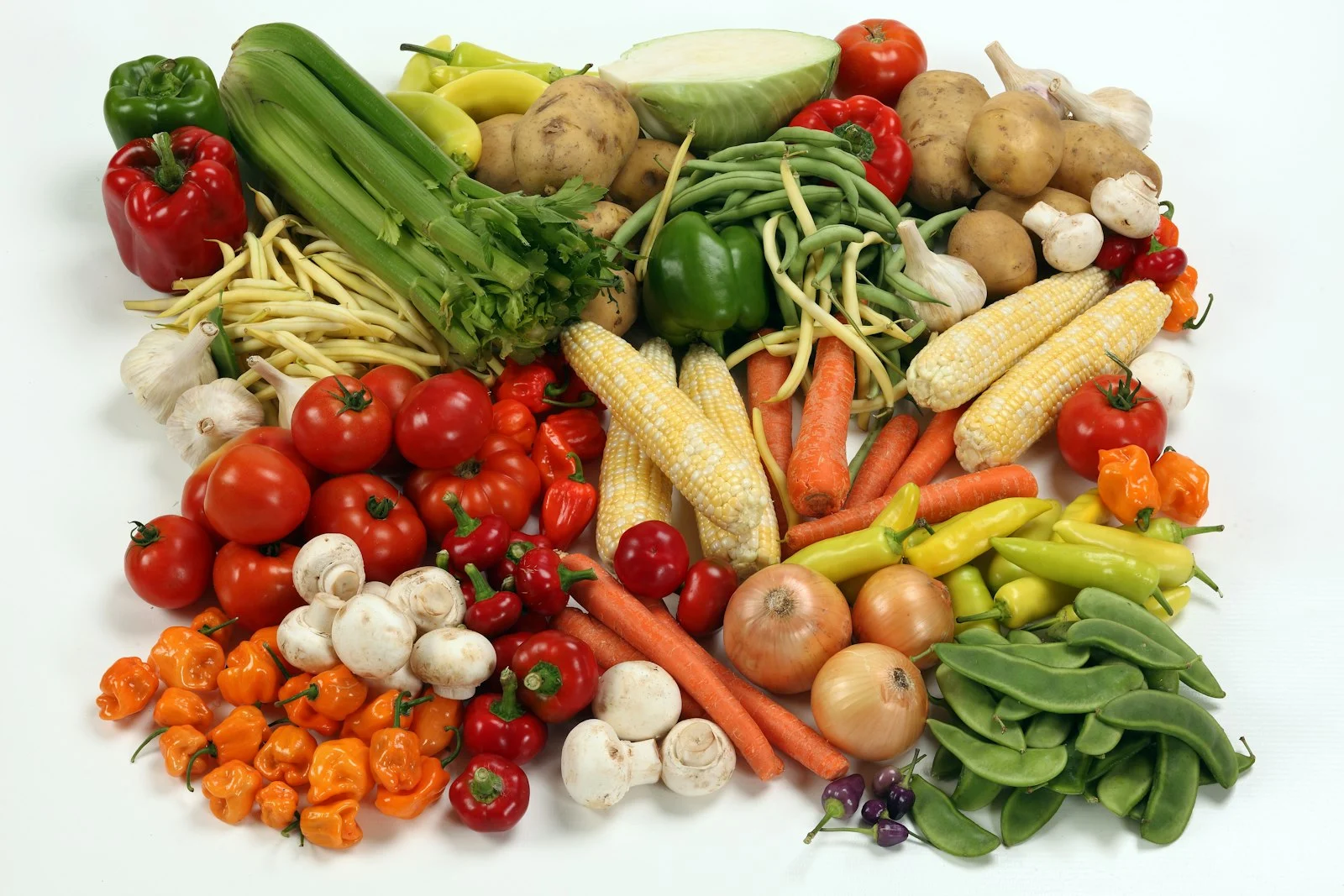
- Eat plenty of vegetables, beans, whole fruit and whole grains, and limit or avoid red and processed meat, sugary drinks, highly processed foods and refined grains.
- If you drink alcohol, have no more than one drink a day for women or two for men. Not drinking is better.
The guideline says it lines up with the heart and diabetes guidelines too, so the same habits cover several diseases at once.
Body weight and 13 cancers
In 2016 a working group from the International Agency for Research on Cancer, part of the World Health Organization, reviewed the evidence on body fat and cancer. It linked overweight and obesity to 13 types: endometrial, esophageal, upper stomach, liver, kidney, multiple myeloma, meningioma, pancreatic, colorectal, gallbladder, postmenopausal breast, ovarian and thyroid cancer.
The National Cancer Institute estimates that in 2019, excess body weight caused about 4.8 percent of new cancers in American men 30 and older and 10.6 percent in women. For some types the share was much higher, more than half of endometrial cancers in women.
Exercise and 26 kinds of cancer
A 2016 study in JAMA Internal Medicine pooled 12 studies from the United States and Europe with 1.44 million people and followed them for new cancers. People with the most leisure-time exercise had a lower risk of 13 of the 26 cancers studied than people with the least. Some of the drops were large: 42 percent lower for one type of esophageal cancer, about 26 percent for lung cancer and 23 percent for kidney cancer. Colon cancer was 16 percent lower and breast cancer 10 percent lower.
Most of those links held up even after the researchers accounted for body weight, and they showed up in both heavier and leaner people. So exercise seems to help beyond its effect on weight.
Two cancers went the other way. Active people had a 27 percent higher risk of melanoma, probably from more time in the sun, and a slightly higher risk of prostate cancer.
Red and processed meat
In 2015 the same cancer agency classified processed meat as carcinogenic to humans, its highest category, based mostly on colorectal cancer. Processed meat means meat that has been salted, cured, fermented, smoked or otherwise treated for flavor or to keep it longer, such as bacon, ham, hot dogs and deli meat. Red meat was listed as probably carcinogenic.
That classification describes how sure the scientists are that something can cause cancer, not how much risk it adds. The WHO still says meat can be part of a healthy diet. The practical advice is to eat less of it, especially processed meat, and replace it with fish, poultry, beans and vegetables.
What about an anti-inflammation diet?
Long-running inflammation is linked to heart disease, diabetes and some cancers, which is why anti-inflammatory diets get so much attention. No health agency has an official anti-inflammation diet. The Mediterranean diet has the most trial evidence.
A 2014 review pooled 17 randomized trials with 2,300 adults who followed a Mediterranean diet for at least 12 weeks. Compared with other diets, it lowered C-reactive protein and interleukin-6, two common blood markers of inflammation, and improved how well blood vessels relaxed. It’s the same eating pattern that cut heart attacks and strokes in the PREDIMED trial, covered in the article on low-fat vs low-carb vs Mediterranean diets.
Lower inflammation markers in the blood aren’t the same as fewer cancers, and that hasn’t been proven. The foods overlap with the cancer society’s list anyway: vegetables, fruit, beans, whole grains, olive oil and nuts, with little processed meat.
Diet and skin cancer
With skin cancer, sun protection has the strongest evidence. In a trial in Nambour, Australia, 1,621 adults were randomly assigned to put sunscreen on their head and arms every day or only when they felt like it. Ten years after the trial ended, the daily sunscreen group had half as many melanomas, 11 against 22. That fell just short of statistical significance, but invasive melanomas, the dangerous kind, were clearly lower: 3 against 11. The study was published in the Journal of Clinical Oncology in 2011.
One nutrient has good trial evidence for people at high risk. In a 2015 Australian trial, 386 people who’d already had at least two nonmelanoma skin cancers took 500 milligrams of nicotinamide, a form of vitamin B3, twice a day or a placebo for a year. The nicotinamide group had 23 percent fewer new skin cancers. The benefit went away after they stopped taking it. That was a group with a lot of past skin cancer, so it doesn’t mean everyone should take it. Ask a dermatologist first.
If you run, bike or train outside, wear sunscreen and cover up, especially in the middle of the day.
What the research can’t tell you
Most diet and cancer research is observational, and diet is hard to measure because people don’t remember exactly what they eat. Healthy habits also tend to come in bundles, so it’s hard to know which one is doing the work. None of these habits guarantee you won’t get cancer, and getting it isn’t a sign that someone did something wrong. Screening still matters. Ask your doctor which cancer screenings fit your age and history.
Where to get help
If you have been diagnosed with cancer, or you have a symptom that worries you, call your doctor and don’t wait for an article to decide for you. If you want to talk to someone, the American Cancer Society helpline is open every hour of the day. A registered dietitian can help you plan meals, and a screening schedule from your doctor matters as much as any diet change.
- American Cancer Society: 24/7 helpline, call 1-800-227-2345 any hour of the day to talk with a cancer information specialist.
- National Cancer Institute: Cancer Information Service, call 1-800-4-CANCER (1-800-422-6237) with questions about cancer.
- American Cancer Society: screening guidelines, which cancer screenings are recommended at which ages.
- American Academy of Dermatology: Find a Dermatologist, for a skin check, especially if you have had skin cancer or have many moles.
- Academy of Nutrition and Dietetics: Find a Nutrition Expert, to find a registered dietitian near you, in person or by video.
Where this page came from
Fitness Rocks started as a podcast by the doctor I bought the site from. In 2008 he covered diet and skin cancer, interviewed Dr. Neal Barnard about cancer prevention and talked with Dr. Chris Cannon about the anti-inflammation diet. Those episodes are gone, so this page picks up the same topics with newer research.


Leave a Reply